
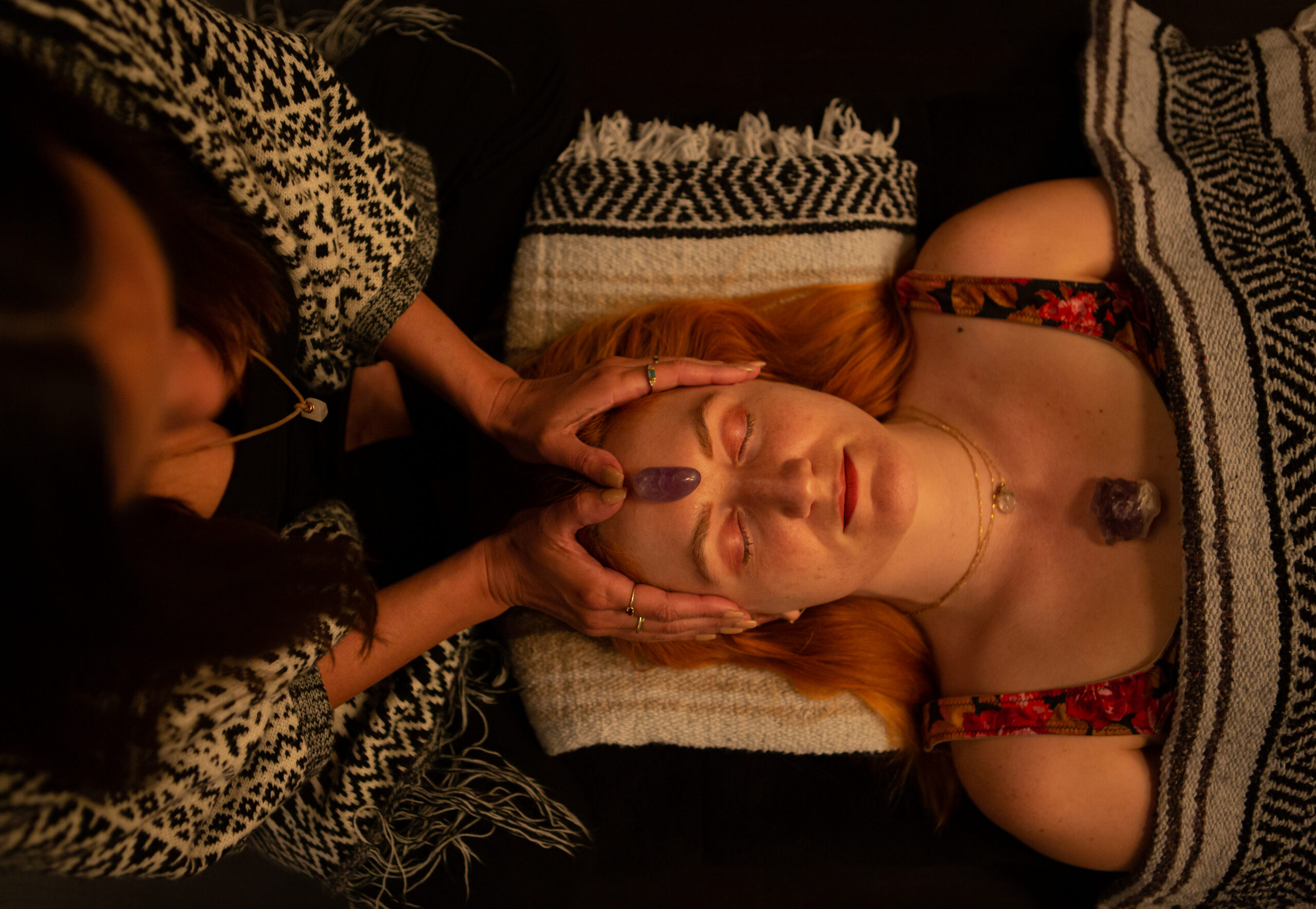
The holidays can bring joy, and they can also bring pressure. Routines shift, schedules fill, and old family dynamics return. For anyone in recovery from addiction or a mental health condition, holiday stress and recovery often collide. Mindfulness tools will not remove every challenge. Even so, they can help you pause, steady your body, and choose your next step.
Why Holiday Stress and Recovery Collide
Several things change at once during this season. Sleep often suffers because of travel and late nights. Alcohol is also easy to find at gatherings. In addition, family tensions can surface, and loneliness can feel sharper for some people.
None of this means something is wrong with you. Stress is a normal response to a demanding season. A plan, however, makes it easier to meet that stress without turning to old coping habits.
Meditation: Training Attention
Meditation is the practice of directing attention on purpose, often to the breath or a physical sensation. When your mind wanders, you notice and return. Over time, that skill can help you observe a craving or a worry without acting on it right away.
The National Center for Complementary and Integrative Health notes that mindfulness practices may help with stress, anxiety, and depression symptoms. Results vary from person to person. Short sessions of five to ten minutes are a reasonable place to start.
Breathwork: Calming the Body
Slow, steady breathing can influence the body’s stress response. For example, a longer exhale often feels settling. Clinicians commonly teach simple techniques, such as counting breaths or breathing in for four counts and out for six.
Not every technique suits everyone. Some intense forms of breathwork may be a poor fit for people with certain medical conditions, such as heart or seizure disorders, or during pregnancy. Ask your provider before trying anything forceful. Gentle, slow breathing is generally the safer starting point.
Mindfulness-Based Cognitive Therapy (MBCT)
MBCT combines elements of cognitive therapy with mindfulness practice. Researchers Zindel Segal, Mark Williams, and John Teasdale designed it to help people who have had repeated episodes of depression. It teaches you to notice early signs of a downward slide and respond differently.
In group sessions, participants practice meditation and learn how thoughts and moods connect. As a result, many people gain a calmer relationship with difficult thoughts. MBCT is a structured therapy, so a trained clinician should lead it.
A Simple Holiday Plan
A short plan can make a real difference. Consider these steps:
- Choose your exits. Decide in advance how you will leave a tense event.
- Protect your sleep. Keep a steady bedtime when possible.
- Schedule check-ins. Plan a call with a therapist, sponsor, or trusted friend.
- Practice daily. Set aside a few minutes for meditation or breathing.
- Have a drink plan. Bring a favorite non-alcoholic option, and decide in advance what you will say if offered something.
Small, repeatable habits tend to work better than ambitious ones.
When Mindfulness Is Not Enough
Mindfulness helps with everyday stress. It is not a replacement for treatment. If cravings grow stronger, symptoms worsen, or you cannot function day to day, more support may be needed. Some people also find that meditation stirs up painful memories, especially after trauma. In that case, a clinician can adapt the approach.
A partial hospitalization or intensive outpatient program offers structured help while you stay at home. FOY Wellness and Recovery includes meditation and breathwork alongside evidence-based therapy in Agoura Hills, California. You can explore our holistic modalities to see how they fit in. In an emergency, call 911, or call or text 988 for crisis support.
Insurance Questions Before the Holidays
Authorization and benefits checks can take time, and offices close around the holidays. Because of that, starting early helps. Our in-network carriers are Blue Shield, Cigna, and TRICARE through TriWest. Beyond those, we work with out-of-network PPO plans from Anthem, Aetna, Multiplan, HMC HealthWorks, Blue Cross Blue Shield, and more. Coverage varies, so a free check shows your actual benefits. Our insurance page outlines the steps.
Frequently Asked Questions
Can meditation replace therapy?
No. Meditation is a helpful tool, but it complements therapy and does not replace it.
How long should I meditate each day?
Five to ten minutes is a common starting point. Consistency matters more than length.
Is breathwork safe for everyone?
Gentle breathing is generally low risk. Intense techniques may not suit people with certain conditions, so check with your provider first.
Reach Out
If this season feels heavy, you do not have to manage it alone. Call our admissions team at (805) 659-8429 to talk through your options. For general background on mindfulness, see the NCCIH overview of meditation and mindfulness.This content is educational and is not a substitute for professional care.
FOY Wellness and Recovery
Holistic PHP & IOP Program for Mental Health and Addiction Treatment
Agoura Hills, California
(805) 659-8429
www.foywellnessandrecovery.com
FOY Wellness and Recovery holds a California Department of Health Care Services (DHCS) Mental Health Program Certification (# 191067AP), and is accredited by The Joint Commission (HCO ID: 654032).