
FOY Wellness and Recovery is a licensed PHP and IOP program in Agoura Hills, California. Our clinical program is developed and overseen by Clinical Program Director Dr. Shannon Dobbs, a licensed clinical psychologist. DBT is a core clinical modality for clients managing intense emotional dysregulation, self-harm urges, or substance use.

What Is Dialectical Behavior Therapy?
Dialectical Behavior Therapy (DBT) was developed by Dr. Marsha Linehan, originally for individuals with borderline personality disorder and chronic suicidality, and has since been extensively researched and adapted for substance use disorders, eating disorders, and broader emotion dysregulation. DBT combines cognitive-behavioral techniques with mindfulness and acceptance-based strategies, built around four skill modules: mindfulness, distress tolerance, emotion regulation, and interpersonal effectiveness.
How DBT Works
Clients learn specific, concrete skills in each of the four modules, such as grounding techniques for crisis moments, strategies for identifying and naming emotions, and tools for navigating conflict in relationships. DBT emphasizes balancing acceptance of where a client currently is with active work toward change, the “dialectic” that gives the therapy its name.
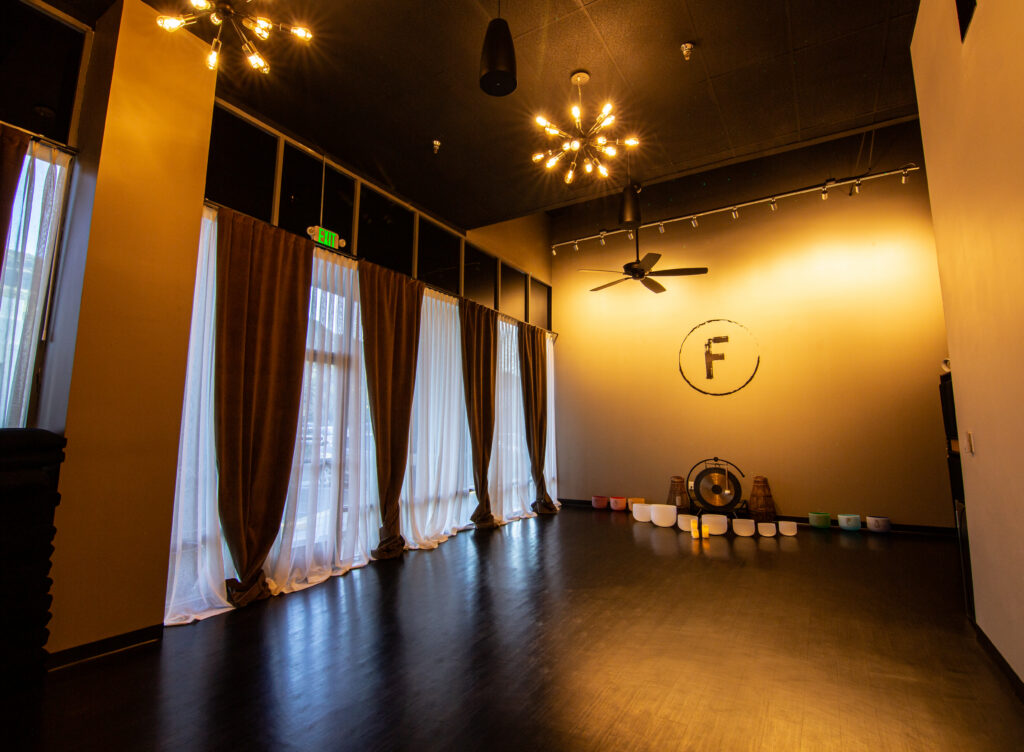
DBT at FOY
DBT skills are taught through structured group sessions and reinforced in individual therapy, giving clients concrete tools to use both during and after treatment for managing intense emotions and reducing impulsive or harmful behaviors.
Conditions DBT Addresses
- Emotion dysregulation and mood instability
- Self-harm and suicidal ideation
- Substance use disorders
- Borderline personality disorder
- Impulsivity
- Relationship conflict
What to Expect
DBT is typically delivered through structured skills groups covering mindfulness, distress tolerance, emotion regulation, and interpersonal effectiveness, alongside individual therapy that reinforces and applies these skills to your specific situation.
FAQs
Is DBT only for people with borderline personality disorder?
No. While originally developed for BPD, DBT skills are now widely used for substance use disorders, self-harm, and general emotion dysregulation.
What are the four DBT skill modules?
Mindfulness, distress tolerance, emotion regulation, and interpersonal effectiveness.
How is DBT different from CBT?
DBT builds on CBT with additional emphasis on mindfulness and acceptance-based strategies, and is specifically structured around skills for intense emotional states.
Will I attend a DBT skills group?
DBT is often delivered through structured group sessions at FOY, alongside individual therapy.
Can DBT help with substance use cravings?
Yes, DBT distress tolerance skills are specifically designed to help manage intense urges, including cravings, without acting on them impulsively.
Is DBT evidence-based?
Yes, DBT has an extensive research base, initially for borderline personality disorder and self-harm, and increasingly for substance use and broader emotion dysregulation.
How long does it take to learn DBT skills?
This varies by individual, and DBT skill-building typically continues throughout the length of treatment as part of your ongoing plan.
Will I use a DBT diary card or similar tracking tool?
Diary cards are a common DBT tool for tracking emotions, urges, and skill use.
Is DBT covered by insurance?
DBT is delivered as part of FOY’s PHP and IOP clinical programming, billed as a level of care. Contact our admissions team about your specific plan.
Take the First Step
Call (805) 659-8429 or visit foywellnessandrecovery.com/contact for a free confidential assessment. We are in-network with Blue Shield, Cigna, and TRICARE through TriWest, and accept most other major PPO plans, including Anthem, Aetna, Multiplan, HMC HealthWorks, and Blue Cross Blue Shield, on an out-of-network basis.